Nutrition
The Anti-Inflammatory Diet: Foods That Fight Chronic Inflammation
12 min read · 9 Jul 2026
The Anti-Inflammatory Diet: Foods That Fight Chronic Inflammation
TL;DR: Short-term inflammation heals you; chronic low-grade inflammation quietly drives heart disease, diabetes, joint pain, and fatigue. You cannot "detox" it away, but your everyday diet has a real effect. Eat more colorful vegetables and fruit, fatty fish, olive oil, nuts, and whole grains; eat far less ultra-processed food, refined sugar, and refined oils. It is a pattern, not a single food, and it overlaps heavily with simply eating well.
What Inflammation Actually Is
Inflammation is your immune system's response to threats, injury, infection, toxins. Acute inflammation (redness, swelling after a cut or hard workout) is healthy and temporary. The problem is chronic low-grade inflammation: a persistent, background immune activation that never fully switches off. Over years it contributes to heart disease, type 2 diabetes, arthritis, and other conditions, and it can leave you feeling tired, achy, and foggy.
Diet is one of the biggest daily levers on chronic inflammation, alongside sleep, stress, movement, and body fat.
Foods That Fight Inflammation
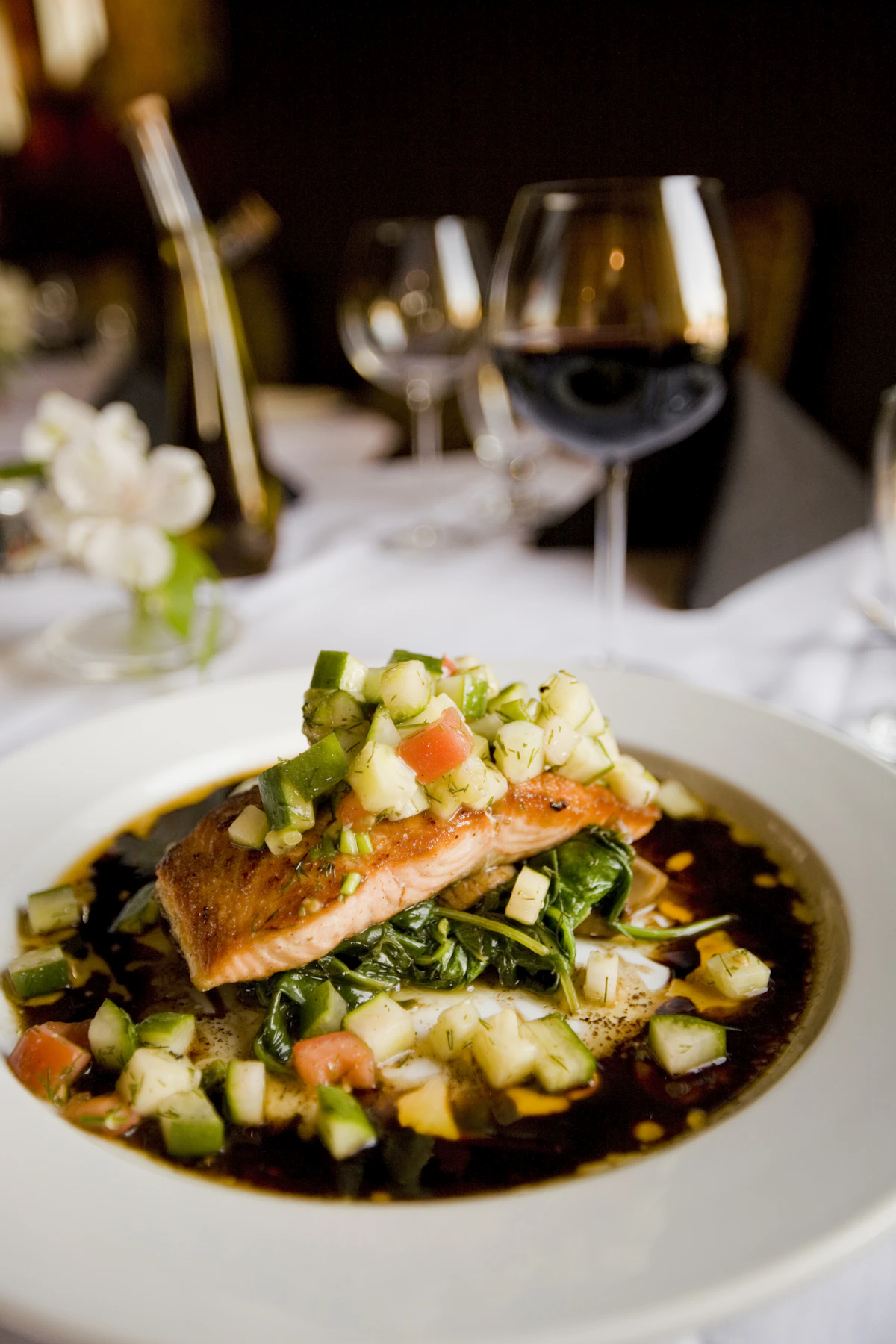
- Fatty fish: Salmon, mackerel, sardines, rich in anti-inflammatory omega-3s.
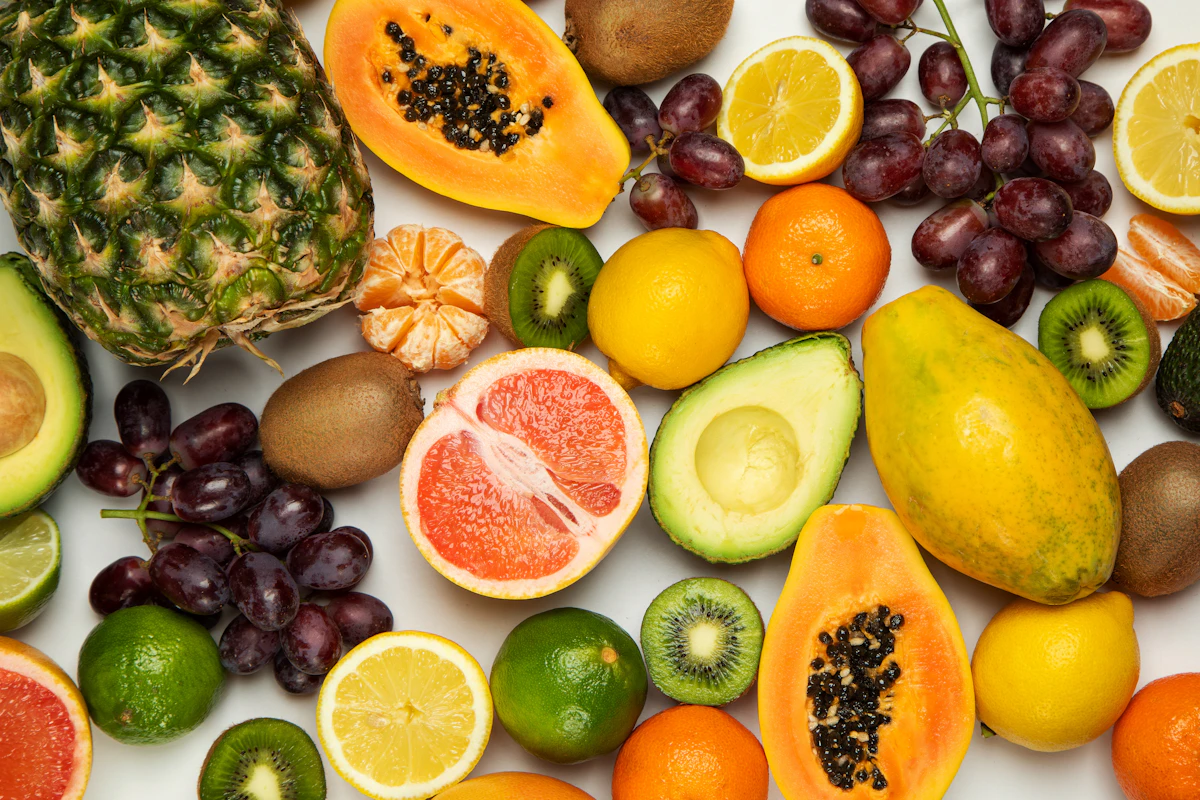
- Colorful vegetables: Leafy greens, broccoli, peppers, tomatoes, packed with antioxidants and polyphenols.
- Berries and fruit: Blueberries, oranges, cherries, high in anti-inflammatory compounds.
- Extra-virgin olive oil: Contains oleocanthal, with anti-inflammatory effects similar in mechanism to ibuprofen (much milder).
- Nuts and seeds: Walnuts, almonds, flax, chia, healthy fats and fiber.
- Whole grains and legumes: Oats, brown rice, lentils, fiber feeds a healthy gut, which regulates inflammation.
- Spices: Turmeric (with black pepper) and ginger have documented anti-inflammatory properties.
- Green tea: Rich in polyphenols.
Foods That Fuel Inflammation
- Ultra-processed foods: Packaged snacks, instant meals, and sugary drinks are strongly linked to higher inflammation.
- Refined sugar and refined carbs: Spike blood sugar and promote inflammatory markers.
- Processed and charred red meat: In excess, associated with higher inflammation.
- Refined seed oils in excess and trans fats: Especially from fried and packaged foods.
- Excess alcohol: Heavy drinking raises inflammation.
Note the overlap: an anti-inflammatory diet is essentially a whole-food diet. You do not need exotic "superfoods", you need fewer ultra-processed foods and more real ones.
The Anti-Inflammatory Plate
A simple way to build meals:
- Half the plate: Colorful vegetables and some fruit.
- A quarter: Quality protein, especially fatty fish a few times a week.
- A quarter: Whole grains or legumes.
- Fats: Cook with or dress in extra-virgin olive oil; add nuts and seeds.
- Drinks: Water, green tea; limit sugary drinks and alcohol.

Beyond Food: What Else Lowers Inflammation
- Sleep: Poor sleep raises inflammatory markers; aim for 7–9 hours.
- Exercise: Regular moderate activity lowers chronic inflammation (while overtraining can raise it).
- Losing excess body fat: Visceral fat is itself an inflammatory tissue.
- Stress management: Chronic stress keeps inflammation elevated.
- Not smoking: Smoking is a major driver of inflammation.
Common Mistakes To Avoid
- Chasing single "superfoods": No one food fixes inflammation. The overall pattern matters.
- Buying anti-inflammatory supplements first: Food, sleep, and movement do far more than pills.
- Ignoring sugar and ultra-processed foods: Adding turmeric while eating junk misses the point.
- Over-restricting: You do not need to eliminate whole food groups; balance beats extremes.
- Expecting overnight results: Benefits build over weeks and months.
- Forgetting the lifestyle factors: Diet is one lever; sleep, stress, and movement matter too.
When To See a Doctor
Persistent joint pain, swelling, unexplained fatigue, or digestive issues can signal underlying conditions that need medical evaluation, not just diet changes. If you have an autoimmune or chronic condition, work with your doctor; diet supports treatment but does not replace it.
What To Do This Week
- Add fatty fish (salmon, sardines, mackerel) to two meals.
- Fill half your plate with colorful vegetables at lunch and dinner.
- Swap one sugary drink or snack per day for water, fruit, or nuts.
- Cook with extra-virgin olive oil; add turmeric and ginger to dishes.
- Prioritize 7–9 hours of sleep and a daily walk.
FAQ
What is the best anti-inflammatory food?
There is no single best food. Fatty fish, colorful vegetables, berries, extra-virgin olive oil, and nuts are all excellent. The overall pattern of whole foods matters more than any one item.
Does the anti-inflammatory diet help joint pain?
For many people, reducing ultra-processed foods and eating more anti-inflammatory foods eases joint discomfort over time. It supports, but does not replace, medical care for conditions like arthritis.
Is turmeric really anti-inflammatory?
Turmeric (curcumin) has documented anti-inflammatory properties, best absorbed with black pepper and fat. It is a helpful addition, not a cure, and works best within an overall healthy diet.
How long until I feel a difference?
Some people feel better within a few weeks (energy, digestion, joint comfort); deeper benefits build over months. Consistency matters more than intensity.
Do I need supplements?
Usually not first. Whole foods, sleep, exercise, and losing excess body fat do the heavy lifting. Omega-3 supplements can help if you rarely eat fish; check with your doctor.
How FitLifestyle Helps
FitLifestyle nutrition coaching builds anti-inflammatory eating into simple, sustainable meals, paired with the sleep, movement, and stress habits that together keep chronic inflammation in check.