Lifestyle
Children's Day 2026: Active Play, Sleep and Healthy Habits for Kids
19 min read · 15 Sept 2026

Children's Day 2026: Build Active Habits Without Burnout
India celebrates Children's Day on 14 November. Beyond speeches and sweets, the day is a reminder that movement, sleep and outdoor play shape lifelong health. Many children now sit longer for screens and tuition than earlier generations—yet adult-style gym programmes, protein-shake marketing and early specialisation are not the answer for most kids.
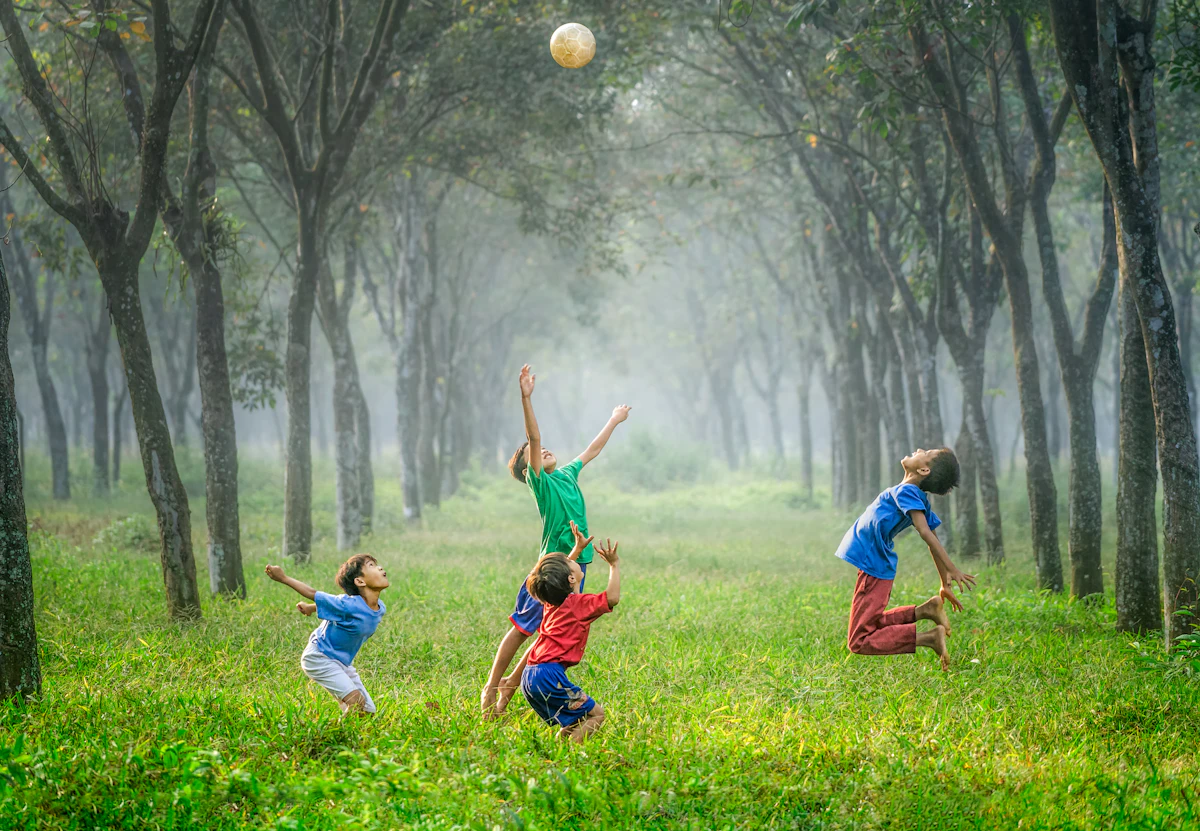
Children need daily active play, skill-building games and supportive adults. Fitness should feel joyful and social, not like a performance review with wearable shame attached.
Safety note: Persistent chest pain, fainting with exercise, extreme breathlessness, unexplained limp, or sudden decline in school stamina needs medical review. This guide is general family education.
What Enough Movement Looks Like
Global guidance emphasises that children and adolescents need regular moderate-to-vigorous activity across the week. In practice that means:
- Plenty of play, PE, cycling, swimming, dance and sports—not only one weekend class.
- Breaking long homework sitting with 5–10 minute movement snacks.
- Protecting sleep; tired children move less and snack more impulsively.
- Clear recreational screen limits that the whole household can follow.
- Adults modelling movement: children copy what they see far more than what they are lectured about.
A Family Activity Menu
- After-school park games: tag, football, relay races, skipping.
- Weekend cycling or walking to a local market together.
- Home obstacle courses using cushions, tape and cardboard—no fancy equipment.
- Swim or dance classes chosen for fun and friendships, not only medals.
- Indoor active games for rainy or high-AQI days: dance videos, balloon volleyball, stair step-ups with supervision.

A Sample After-School Hour
- 10 minutes outdoor free play before homework when daylight and air quality allow.
- Homework in focused blocks with a 5-minute movement break each half hour.
- Family walk after dinner twice weekly instead of only weekend outings.
- One device-free indoor game evening each week.
Avoiding Early Specialisation Burnout
Year-round single-sport pressure raises overuse injury and dropout risk. Encourage sampling multiple activities through primary school. Strength for kids means bodyweight play, climbing, gymnastics-style control and playground skills—not adult powerlifting programmes or unexplained supplements.
Watch for warning signs of burnout: dread before practice, recurring niggles, falling grades, sleep problems or loss of appetite for play. Scale back before resentment hardens.
Nutrition Without Adult Diet Culture
Most active children do well on regular meals with dal, dairy, eggs, nuts, grains, fruit and vegetables. Protein powders are rarely needed. Avoid labelling foods as purely “clean” or “junk” in ways that spark shame; teach balance, hydration and listening to hunger.
High-AQI and Exam-Season Adjustments
During severe pollution weeks, shift play indoors: dance, skipping, balloon games, yoga for kids and supervised stair play. During exam season, protect movement rather than cutting it—short walks improve attention more than another hour of exhausted staring. Keep bedtime sacred; sleep debt looks like hyperactivity or apathy the next day.
Schools and housing societies can help by reopening playground time, not only adding more tuition rooms. Parents can advocate for PE that involves every child, not only the talented few.
What Schools and Societies Can Change This Year
Ask for daily movement breaks, shaded play areas, working drinking water and PE that includes less athletic children. Housing societies can reclaim courtyards from parking creep for evening play. Children’s Day is a useful date to request these changes in writing, not only to distribute sweets.
FAQ
When is Children's Day in India 2026?
14 November 2026.
Do children need protein powder?
Usually no. Everyday meals cover needs for most active kids.
Is competitive sport harmful?
Competition can be healthy with balanced schedules, rest days and attention to enjoyment.
How much screen time is okay?
There is no single number for every family. Prioritise sleep, outdoor play and homework, then set recreational limits.
What if my child hates exercise?
Relabel it as play. Try different activities, invite friends and reduce performance pressure.
Should kids lift weights?
Supervised skill-based strength can be appropriate for older children; avoid ego loading and unsupervised heavy lifts.
Trusted Sources
How FitLifestyle Helps
FitLifestyle can help parents schedule family walking goals, movement breaks around study blocks and adult training that models consistency without turning childhood into another high-pressure performance track.