Health
Fatty Liver Disease (NAFLD): How to Reverse It With Diet and Exercise
16 min read · 21 Jul 2026

Fatty Liver Disease (NAFLD): How to Reverse It With Diet and Exercise
Non-alcoholic fatty liver disease (NAFLD, now often called MASLD) is one of the most common chronic conditions in the world, and one most people have never heard of until a scan or blood test flags it. The encouraging news: in its early stages it is often fully reversible with lifestyle changes. This guide covers exactly what works.
Important: This is general education, not medical advice. If you have fatty liver, work with your doctor to monitor it and rule out other causes.
What Is Fatty Liver Disease?
Fatty liver means excess fat has built up in liver cells in people who drink little or no alcohol. It is closely tied to insulin resistance, excess belly fat, high sugar intake, and metabolic syndrome. It usually causes no symptoms, which is why it is often found by accident. Left unchecked in some people it can progress to inflammation (NASH) and, over years, scarring (fibrosis or cirrhosis), so catching and reversing it early matters.
Why It Matters
- It is strongly linked to type 2 diabetes and heart disease.
- It can silently progress in a minority of people to serious liver damage.
- It is a warning sign of overall metabolic health that you can act on.
The Good News: It Is Often Reversible
The liver is remarkably capable of healing. Studies consistently show that losing excess weight and changing diet and activity can significantly reduce, and often clear, liver fat. Losing around 7 to 10% of body weight is associated with major improvements, including reduced inflammation and even some reversal of early scarring.
The Diet Changes That Clear Liver Fat
1. Cut Sugar and Refined Carbs
This is the single most important dietary change. Sugary drinks, sweets, and refined-flour foods, especially fructose from sugary beverages, drive liver fat directly. Cutting them has an outsized effect.
2. Limit Alcohol
Even though this is "non-alcoholic" fatty liver, alcohol adds further liver stress. Reducing or eliminating it helps recovery.
3. Eat a Mediterranean-Style Pattern
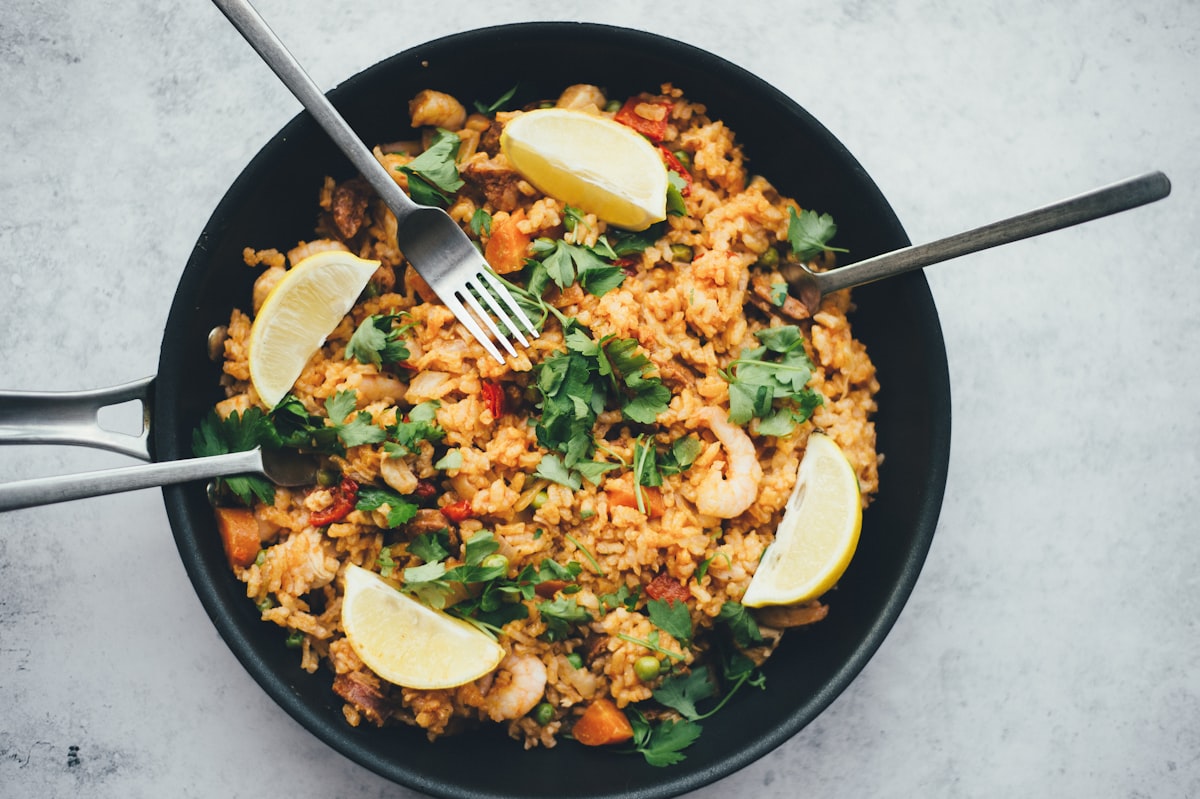
The best-studied diet for fatty liver emphasizes vegetables, legumes, whole grains, olive oil, nuts, fish, and lean protein, while minimizing processed food and sugar. It improves insulin sensitivity and lowers liver fat.
4. More Fiber, Healthy Fats, and Protein
Fiber and protein improve satiety and blood sugar; healthy fats (olive oil, nuts, fatty fish) replace harmful processed fats. Coffee, interestingly, is associated with a protective effect on the liver.

Exercise Reduces Liver Fat Directly
Exercise helps even independent of weight loss. Both aerobic exercise (brisk walking, cycling, jogging, swimming) and strength training measurably reduce liver fat and improve insulin sensitivity. The best results come from doing both:
- Aerobic: Aim for about 150 minutes a week of moderate activity.
- Strength: 2 to 3 sessions a week to build muscle and improve blood sugar control.

A Simple Plan
- Cut sugary drinks entirely; swap to water, unsweetened tea, or black coffee.
- Build meals around vegetables, protein, legumes, and whole grains with olive oil.
- Walk daily and add two to three strength sessions weekly.
- Aim for gradual weight loss of 0.5 to 1 kg per week toward that 7-10% target if you carry excess weight.
What To Expect
Liver fat can start dropping within weeks of consistent changes, and blood markers (like liver enzymes) often improve within a few months. Many people with early fatty liver see it resolve entirely. Progress is monitored with blood tests and sometimes repeat imaging.
Common Mistakes To Avoid
- Focusing only on "liver detox" products: They do not work; diet and exercise do.
- Crash dieting: Very rapid weight loss can sometimes worsen liver stress; aim for steady loss.
- Ignoring sugary drinks: They are a major, often overlooked driver.
- Skipping exercise because weight is not moving: Exercise cuts liver fat even without weight change.
When To See a Doctor
If you have been told you have fatty liver, or you have risk factors (excess belly fat, type 2 diabetes, high cholesterol), see your doctor for monitoring. They can check liver enzymes, assess for progression, and rule out other liver conditions.
What To Do This Week
- Eliminate sugary drinks and cut back sharply on refined carbs.
- Shift meals toward a Mediterranean pattern.
- Walk daily and add two strength sessions.
- Book a check-up to monitor liver enzymes if you have not recently.
FAQ
Can fatty liver be reversed?
Yes, especially in early stages. Losing around 7 to 10% of body weight with diet changes and exercise can significantly reduce or clear liver fat and improve inflammation.
What foods are worst for fatty liver?
Sugary drinks and added sugar (especially fructose), refined carbs, processed foods, and alcohol are the biggest contributors. Cutting these is the priority.
What is the best diet for fatty liver?
A Mediterranean-style diet, rich in vegetables, legumes, whole grains, olive oil, nuts, and fish, with minimal sugar and processed food, has the strongest evidence.
Does exercise help fatty liver without weight loss?
Yes. Both aerobic and strength training reduce liver fat and improve insulin sensitivity even when body weight does not change much.
How long does it take to reverse fatty liver?
Liver fat can improve within weeks and blood markers within months of consistent changes. Many early cases resolve, monitored via blood tests and imaging.
How FitLifestyle Helps
FitLifestyle builds liver-friendly programs that combine a Mediterranean-style, low-sugar eating plan with regular cardio and strength training, coached toward the gradual weight loss that clears liver fat safely.