Nutrition
How to Gain Weight Healthily Without Piling On Fat
16 min read · 29 Jul 2026

How to Gain Weight Healthily Without Piling On Fat
There is an entire industry built around losing weight and almost nothing serious written for the opposite problem. If you are naturally thin, you have probably been told your whole life how lucky you are, usually by someone who has never struggled to finish a meal or been told they look unwell.
Being underweight carries real risks: reduced immunity, low bone density, hormonal disruption, fertility problems, poor recovery from illness, low energy, and reduced strength. And the standard advice, "just eat more", ignores the two things that actually determine the outcome: how much more, and whether the weight you add is muscle or fat.
Important: This is general education, not medical advice. Unexplained weight loss or persistent difficulty gaining weight needs medical evaluation, since thyroid disorders, coeliac disease, diabetes, infections, and other conditions can be responsible.
First, Rule Out A Medical Cause
Before restructuring your diet, get checked, especially if you have lost weight unintentionally or have always been unable to gain despite eating well. Conditions worth excluding include:
- Hyperthyroidism, which raises metabolic rate substantially.
- Coeliac disease and other malabsorption disorders.
- Type 1 or poorly controlled diabetes.
- Inflammatory bowel disease.
- Chronic infections, including tuberculosis, which remains relevant in India.
- Parasitic infections.
- Depression, anxiety, or an eating disorder, any of which can suppress appetite significantly.
If a medical cause is present, treating it usually resolves far more than any diet plan will.
The Core Principle
Weight gain requires eating more energy than you burn. Gaining muscle rather than fat requires three things together:
- A modest calorie surplus, roughly 300 to 500 above maintenance. Not a huge one.
- Adequate protein, to give the body raw material.
- Progressive resistance training, to give the body a reason to build muscle rather than store fat.
Skip the training and a surplus becomes fat. Skip the surplus and training produces very little. Skip the protein and both are wasted. The three are not optional extras to each other.
Why modest? Because there is a ceiling on how fast the body can build muscle, and calories beyond that ceiling become fat. An enormous surplus does not accelerate muscle growth; it just changes the composition of what you gain. A realistic target is roughly 250 to 500 grams of gain per week.
Eating More When You Are Not Hungry
This is the actual problem for most naturally thin people. Appetite is the constraint, not willingness. The solution is energy density, getting more calories into less volume, so you are not defeated by fullness.
Practical tactics that work
- Eat more often, not bigger. Five or six modest meals beat three large ones you cannot finish.
- Drink your calories. Liquids bypass fullness better than solids. Milkshakes, smoothies, lassi, and milk with nuts are the single most effective tool available.
- Never drink water immediately before eating. It fills the stomach for zero calories.
- Add fat to what you already eat. A spoon of ghee on rice or dal, oil in your sabzi, peanut butter on toast. Fat provides more than twice the calories per gram of carbohydrate or protein, without adding much volume.
- Choose the denser version. Whole milk over skimmed, dried fruit alongside fresh, nut butters over whole nuts, paratha over plain roti.
- Snack on nuts and seeds. A handful of almonds or groundnuts is several hundred easy calories.
- Eat before bed. A glass of milk with nuts, or curd with banana.
- Do not skip meals when busy. A missed meal is very hard to make up later.
- Limit large volumes of raw salad and clear soup before meals. Filling, low calorie, and counterproductive here.
Calorie-Dense Indian Foods
You do not need imported supplements. Indian kitchens are full of energy-dense food.
- Ghee: Roughly 900 calories per 100 grams. A spoon on rice or dal is the easiest addition there is.
- Nuts and seeds: Almonds, cashews, walnuts, groundnuts, and sesame. Calorie-dense and nutritious.
- Peanut butter: Excellent value, easy to add to anything.
- Whole milk, paneer, curd, and cheese: Calories plus protein plus calcium.
- Bananas: The most calorie-dense common fruit, and easy to eat.
- Dried fruit: Dates, raisins, figs, and apricots.
- Coconut, fresh or dried.
- Rice, potatoes, and sweet potatoes: Easy carbohydrate without much bulk.
- Rajma, chole, and dals with ghee added.
- Eggs, chicken, and fish if you eat them.
- Traditional sweets in moderation: Besan ladoo and dry fruit ladoo are genuinely useful here, unlike in a fat-loss plan.
A weight-gain shake worth making
Blend one cup of whole milk, one banana, two tablespoons of peanut butter, a handful of soaked almonds, two dates, and a spoon of curd. Roughly 500 to 600 calories, and it takes two minutes to drink. Have it once or twice a day between meals, not with them.

Protein: Enough, But Not Endless
Muscle needs protein, and most people trying to gain weight eat too little of it. Spread it across the day rather than loading one meal, aiming for a protein source at every meal and most snacks.
- Milk, curd, paneer, and cheese.
- Dal, rajma, chana, and lobia.
- Soya chunks, which are exceptional value.
- Eggs.
- Chicken and fish.
- Groundnuts and other nuts.
- Whey protein, useful for convenience but not necessary if food intake is adequate.
Training: The Part That Decides Muscle Versus Fat
This is not optional. Without resistance training, a surplus becomes fat.
The structure
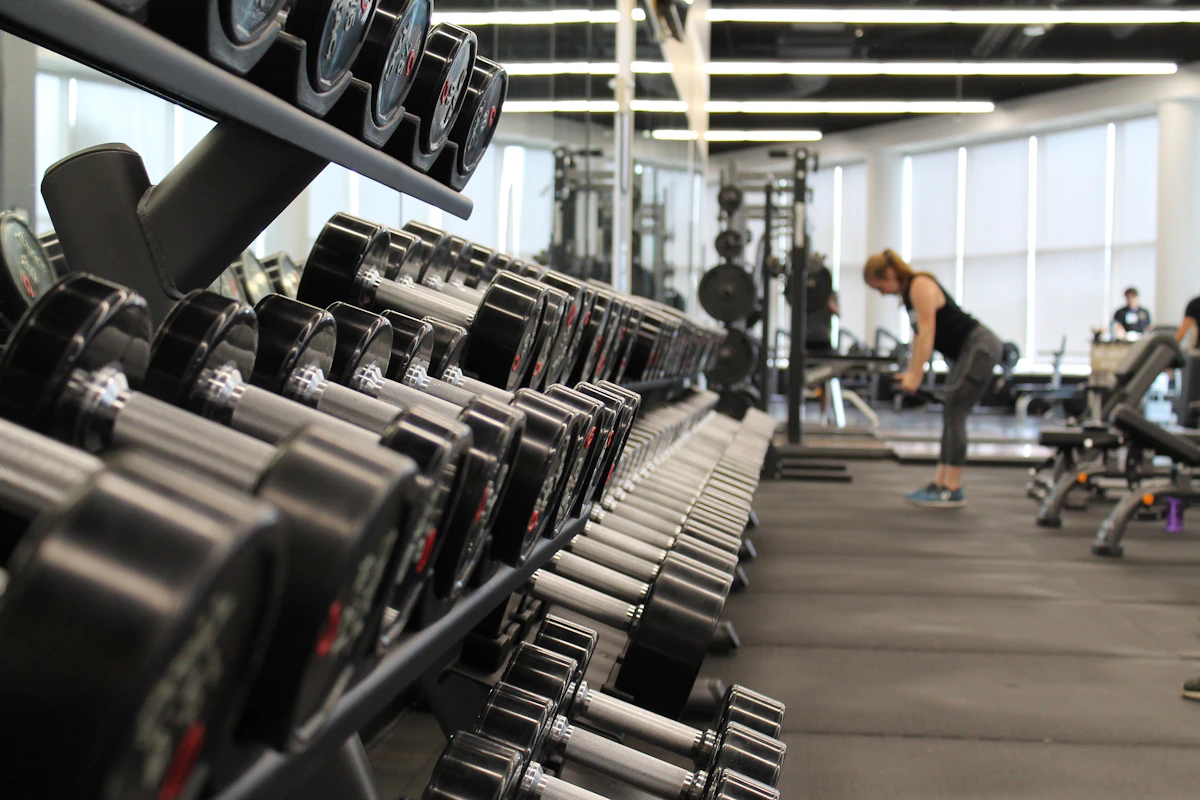
- Three full-body sessions per week, on non-consecutive days.
- Compound movements first: squats, deadlifts or hip hinges, bench or overhead press, rows, and pull-ups or assisted pull-ups. These recruit the most muscle for the least time.
- Three to four sets of 6 to 12 repetitions per exercise.
- Progressive overload: add a little weight or a repetition most weeks. This is the actual mechanism of growth, not the specific exercise selection.
- Keep cardio modest, two or three light sessions for heart health. Long endurance work burns calories you are trying to keep.
- Sleep seven to nine hours. Muscle is built during recovery, and this is where most people undermine themselves.
- Rest days matter. Training the same muscles daily prevents adaptation.
Tracking Progress Properly
- Weigh yourself once a week, same time, same conditions. Daily fluctuations mean nothing.
- Target 250 to 500 grams per week. Faster than that usually means fat.
- Log your lifts. Strength going up is the clearest sign you are gaining muscle.
- Take photos monthly. More informative than the scale alone.
- Measure your waist and arms. If the waist is growing much faster than your arms, reduce the surplus.
- If the scale has not moved in two weeks, add roughly 200 to 300 calories a day.
- Give it three months before judging. Muscle gain is genuinely slow.
Common Mistakes To Avoid
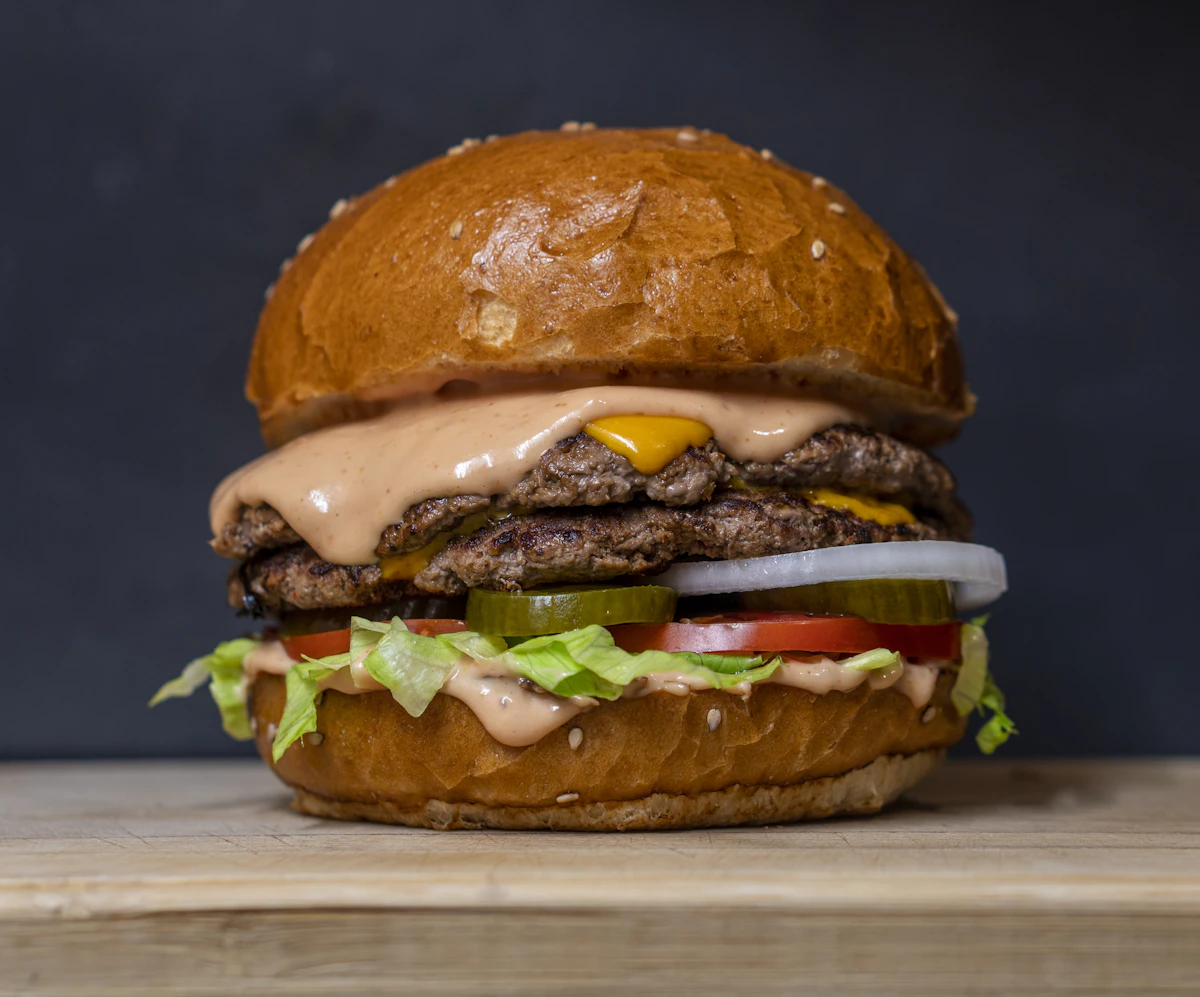
- The "dirty bulk": Eating whatever, in bulk, mostly adds fat and harms lipids and blood sugar. The burger route works for the scale and fails everything else.
- Skipping strength training: Without it, you are simply gaining fat.
- Too large a surplus: Muscle growth has a ceiling. Excess calories become fat, not faster progress.
- Drinking water right before meals: Fills you up for nothing.
- Too much cardio: Burns the surplus you are working to create.
- Impatience: Half a kilo a week is good progress. Expecting more leads to abandoning a working plan.
- Relying on supplements: Whey and creatine can help at the margins; food does the work.
- Ignoring sleep: Poor sleep impairs muscle building and recovery directly.
- Not investigating a medical cause: If you genuinely cannot gain despite eating well, get tested.
- Random eating: "Eating more" without any structure rarely produces a consistent surplus.
What To Do This Week
- See a doctor if weight loss was unintentional, and get thyroid and basic bloods checked.
- Weigh yourself once, at a fixed time, and record it as your baseline.
- Add one weight-gain shake a day between meals.
- Put a spoon of ghee on your rice or dal at lunch and dinner.
- Add a protein source to every meal.
- Start three full-body strength sessions a week built on compound lifts.
- Stop drinking water in the 20 minutes before meals.
- Set a consistent seven-to-nine-hour sleep window.
FAQ
How can I gain weight fast without getting fat?
You cannot gain quickly and stay lean, because muscle growth has a biological ceiling. Aim for a modest surplus of around 300 to 500 calories daily, adequate protein at every meal, and three progressive strength sessions a week, targeting 250 to 500 grams of gain per week.
Which Indian foods are best for healthy weight gain?
Ghee, nuts and seeds, peanut butter, whole milk, paneer, curd, bananas, dried fruit such as dates and figs, coconut, rice and potatoes, dals with added ghee, eggs, and in moderation traditional sweets like besan or dry fruit ladoo.
Why can't I gain weight even though I eat a lot?
Often the intake is less consistent than it feels, or the surplus is too small. It can also be medical, hyperthyroidism, coeliac disease, diabetes, inflammatory bowel disease, chronic infection, or appetite suppression from depression or anxiety, so get evaluated if eating well is not working.
Do I need protein powder to gain weight?
No. Whey protein is convenient but unnecessary if you eat enough protein from milk, curd, paneer, dal, soya, eggs, chicken, fish, and nuts. Food does the work; supplements only smooth the logistics.
How much weight should I gain per week?
Roughly 250 to 500 grams. Consistently faster than that usually means a significant share of the gain is fat rather than muscle, so reduce the surplus.
Should I stop cardio to gain weight?
No, but keep it modest, around two or three light sessions a week for cardiovascular health. Long endurance training burns the surplus you are trying to maintain.
Is a dirty bulk a bad idea?
Yes. Eating large amounts of ultra-processed and fried food will raise the scale but adds mostly fat and can worsen cholesterol and blood sugar. Use calorie-dense whole foods instead.
How long before I see results?
Give it three months of consistent eating and training before judging the plan. Muscle gain is inherently slow, and strength increases in your logged lifts will usually show progress before the mirror does.
How FitLifestyle Helps
FitLifestyle builds structured weight-gain plans around Indian food, ghee, milk, nuts, paneer, dal, and dense shakes, paired with progressive compound strength training and weekly tracking, so the weight you add is muscle rather than fat.