Nutrition
Metabolism Explained: How to Boost It and What Actually Slows It Down
16 min read · 19 Jul 2026

Metabolism Explained: How to Boost It and What Actually Slows It Down
"I have a slow metabolism" is one of the most common explanations for weight struggles, and one of the most misunderstood. Metabolism is real and it matters, but almost everything the internet sells about "boosting" it is exaggerated or wrong. Here is what metabolism actually is, what genuinely speeds it up, and what is just hype.
What Metabolism Really Is
Your metabolism is the total of all the energy (calories) your body uses to stay alive and function. It has a few parts:
- Basal metabolic rate (BMR): Calories burned at complete rest, keeping organs, brain, and cells running. This is 60-70% of the total.
- Physical activity: Both formal exercise and everyday movement (NEAT), the most variable part.
- Thermic effect of food (TEF): Calories burned digesting food, about 10%. Protein burns the most.
When people say "slow metabolism," they usually mean a lower total energy expenditure, and the biggest lever there is usually activity, not a broken BMR.
What Actually Determines Your Metabolic Rate
- Body size and muscle: Bigger bodies and more muscle burn more at rest. Muscle is the main trainable factor.
- Age: Metabolism does decline with age, but new research shows BMR is remarkably stable from about 20 to 60; the midlife slowdown is largely from lost muscle and reduced activity, both of which you can influence.
- Genetics and hormones: Real, but differences between people are usually smaller than assumed (often only 100-300 calories), and conditions like thyroid disorders are the exception, not the rule.

The Truth About "Slow Metabolism"
Studies repeatedly find that people who believe they have a slow metabolism usually do not, at least not enough to explain weight struggles. Two things are typically happening instead: they underestimate how much they eat (often by hundreds of calories) and overestimate how much they move. This is not a character flaw; it is how human self-reporting works. The fix is not a metabolism "hack", it is accurate awareness and more daily movement.
How To Actually Boost Your Metabolism
1. Build Muscle (the biggest long-term lever)
Muscle is metabolically active tissue. Strength training builds muscle, which raises your resting calorie burn and, just as importantly, burns calories during and after each session. This is the most durable way to raise your metabolism.
2. Move More All Day (NEAT)
Non-exercise activity, walking, standing, taking stairs, fidgeting, can vary by hundreds of calories a day between people. Increasing daily steps is one of the most powerful and underrated metabolism levers, and it is easy to do.
3. Eat Enough Protein
Protein has the highest thermic effect (you burn more digesting it) and it preserves the muscle that keeps your metabolism up. A higher-protein diet modestly raises daily energy expenditure and controls appetite.

4. Do Not Crash Diet
Very low-calorie diets cause your body to adapt: it lowers energy expenditure and you move less (often unconsciously). Aggressive dieting can quietly slow your metabolism. A moderate deficit with high protein and strength training protects it.
5. Prioritize Sleep
Poor sleep disrupts appetite hormones and reduces activity and insulin sensitivity, all of which work against a healthy metabolism.
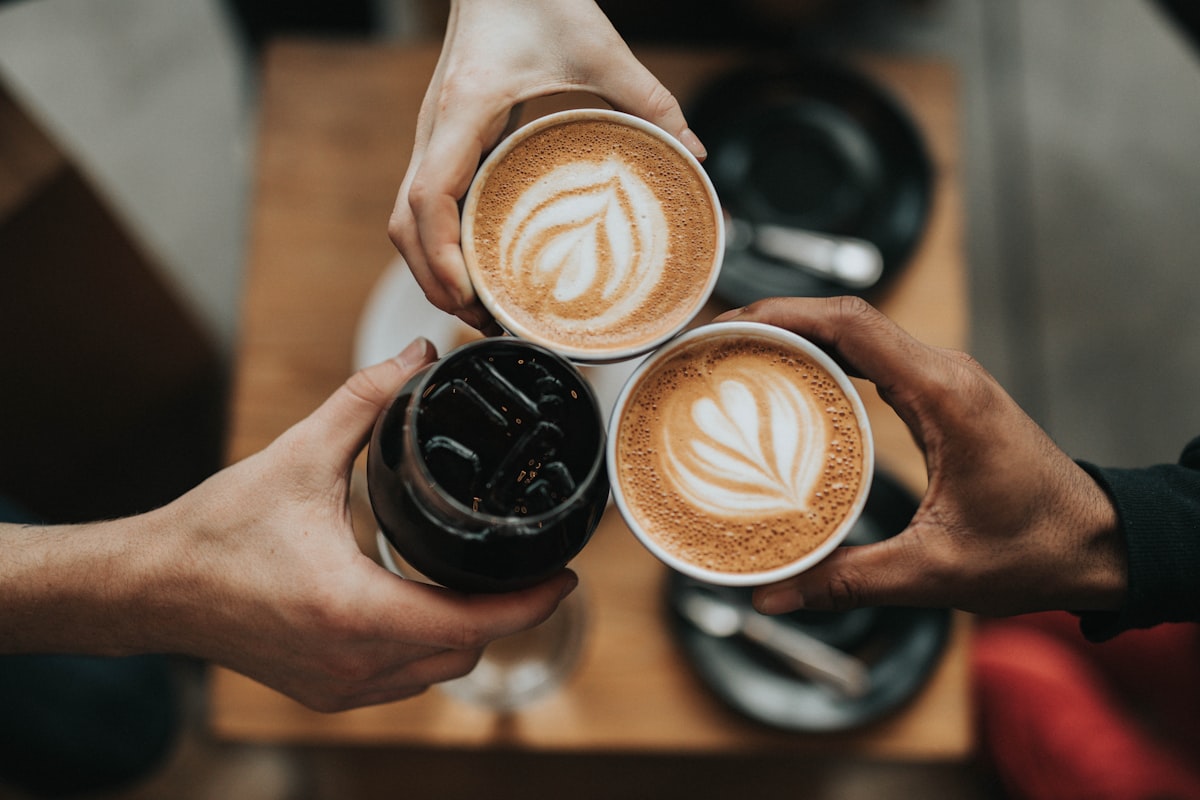
6. Caffeine and Green Tea (minor help)
Caffeine and green tea give a small, temporary metabolic bump and can support training. The effect is real but modest, treat it as a minor helper, not a solution.
What Does NOT Boost Metabolism (Much)
- Eating many small meals: Meal frequency does not meaningfully change total calories burned. Eat on a schedule that suits you.
- "Fat-burning" foods and teas: No food burns fat. Spicy food gives a tiny, fleeting bump at best.
- Detoxes and supplements: Almost all "metabolism booster" supplements are ineffective or unsafe.
Does Metabolism Really Slow With Age?
Yes, but less and later than most think. Large studies suggest BMR per kilogram is stable through midlife and only declines noticeably after about 60. The "middle-age spread" is driven mostly by losing muscle and moving less, which is why strength training and staying active matter so much as you age, they directly counter the real causes.
Common Mistakes To Avoid
- Blaming metabolism instead of tracking: Accurate food and step awareness usually reveals the real picture.
- Crash dieting: It suppresses energy expenditure and costs muscle.
- Skipping strength training: Losing muscle is the main reason metabolism drops over time.
- Chasing supplements and teas: They do essentially nothing meaningful.
- Ignoring daily movement: NEAT is a bigger lever than most workouts.
What To Do This Week
- Add two strength sessions to protect and build muscle.
- Raise your daily step count by 2,000.
- Put protein at every meal.
- Prioritize 7 to 9 hours of sleep.
FAQ
How can I boost my metabolism naturally?
Build muscle with strength training, move more all day (steps/NEAT), eat enough protein, sleep well, and avoid crash diets. These are the levers that genuinely work; supplements do not.
Do I really have a slow metabolism?
Usually not to a meaningful degree. Most people underestimate calories eaten and overestimate movement. Real metabolic disorders (like thyroid issues) exist but are the exception; see a doctor if you suspect one.
Does eating more often speed up metabolism?
No. Meal frequency does not meaningfully change total calories burned. Eat on whatever schedule helps you control intake and energy.
Does metabolism slow with age?
It declines mainly after about 60, and midlife weight gain is largely due to muscle loss and reduced activity, both of which strength training and daily movement counter.
Do metabolism-boosting supplements work?
Almost none do. Caffeine and green tea give a small, temporary effect; most "fat burners" are ineffective or risky. Muscle, movement, protein, and sleep are what matter.
How FitLifestyle Helps
FitLifestyle raises your metabolism the real way, with strength training to build muscle, daily-movement targets, and high-protein nutrition, so you burn more without gimmicks or crash diets.