Health
World Health Day 2026: Stand With Science, Then Go for a Walk
22 min read · 23 Sept 2026

World Health Day 2026: The Science Is Not a Slogan. It Is a Walk.
World Health Day is 7 April, the anniversary of the World Health Organization, founded in 1948. In 2026 the theme was Together for health. Stand with science. WHO used the day to launch a year-long push on evidence, trust, and One Health: people, animals, plants and the planet are not separate health problems. France hosted a One Health summit in Lyon in the days around 7 April, and the Global Forum of WHO Collaborating Centres met from 7 to 9 April.
That can sound like a conference. For a person with a job, a commute and a sore knee, it is simpler. Stand with science means you trust measured things more than a reel. Blood pressure, a walking habit, sleep, vaccines your clinician recommends, and strength work that has been studied for decades. It does not mean you need a new gadget every April.
If you have chest pain, fainting, sudden severe breathlessness, or a symptom that is new and frightening, that is a clinic, not a step goal. This article is education, not a personal prescription.
What the evidence actually asks of an ordinary week
WHO and most public-health bodies still land in the same place. Adults do well with about 150 to 300 minutes a week of moderate activity, or a mix that includes some vigorous work, plus muscle-strengthening on two or more days. Moderate means you can talk but you would rather not sing. For a lot of Indian cities that is a brisk walk, a cycle, or swimming, not a 5 a.m. bootcamp you will quit by 20 April.
Strength is not optional decoration. Sit-to-stands, a hinge, a push, a pull, and a carry cover most of daily life: stairs, bags, getting off the floor, carrying a child. Two short sessions beat a perfect programme you do twice a month.
- Walking floor: 30 minutes on most days, or 6,000 to 8,000 steps if you track them.
- Strength twice: two or three sets, leave a rep or two in reserve.
- Sleep: a 7 to 9 hour chance in bed. Science does not negotiate this away because you have a deadline.
- Food: protein at two meals, vegetables you will actually eat, and sweets after the plate, not instead of it.
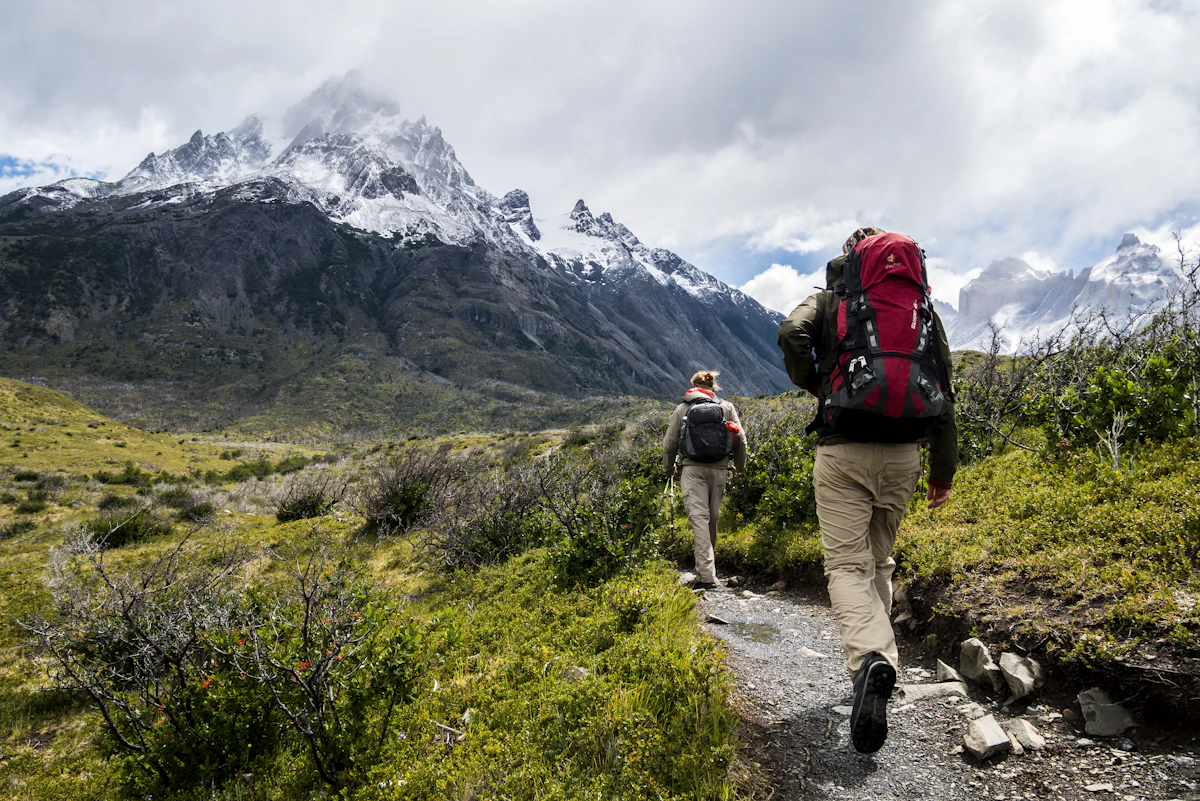
One Health is also your neighbourhood
The 2026 campaign tied human health to animals, food and the environment. In practice that is heat, dirty air, mosquitoes, and street food in April, when many Indian cities are already hot. A walk at noon in a heatwave is not "more committed" than a walk at 7 a.m. or an indoor circuit. Standing water after a shower is a dengue problem, not a personality test. Wash hands. Do not share antibiotics because a colleague had a cough. Science is often housekeeping.
Trust is the other half of the theme. If a creator tells you a herb replaces your blood-pressure tablet, that is not standing with science. If a lab report worries you, take it to a clinician instead of a comment section. Bring a list of what you actually take, including the painkiller after cricket.

How to spot a claim that is only wearing a lab coat
April 2026 was full of people quoting science at each other. A useful filter is short. One small study is not a new rule for your body. A creator who tells you to stop a prescribed medicine is not your clinician. A supplement with a before-and-after photo is an advertisement. If the advice cannot survive a boring question, what happens if you do this for twelve weeks and what is the risk, it is content, not care.
The things that do survive that question are dull on purpose. Walking most days. Strength twice a week. Sleep. Vaccines your clinician recommends. Handwashing. Not sharing leftover antibiotics. Checking blood pressure once you are an adult, and earlier if a parent had a stroke young. None of that needs a new brand in April, and none of it expires when the hashtag does. The campaign was built as a year, which is why a Wednesday in September is still a fair day to start.
A week you can still run in September
April has passed. The campaign was year-long on purpose. From a Wednesday in late 2026 you can still keep the same floor: two strength days, walking most days, and one health task you have been postponing. Book the blood pressure check. Finish a vaccine dose you started. Ask about a screening that is due. Then go outside if the air allows, or walk the corridor if it does not.
Track attendance for two weeks before you track weight. If you showed up, the science is already on your side. The mirror is slower.
FAQ
When was World Health Day 2026?
7 April 2026. The theme was Together for health. Stand with science.
Do I need a wearable to follow the advice?
No. A watch can count steps. It cannot replace sleep, walking, or a clinician. If the score makes you anxious, take it off.
Is 10,000 steps required?
No. Health gains show up well below that for many adults. Consistency beats a round number.
Can exercise replace medicine?
Sometimes it reduces the need. It does not give you permission to stop a prescribed medicine on your own.
What if my city air is bad?
Move the session indoors or to a cleaner hour. Skipping every walk until winter is how fitness disappears.
Where do I start if I have done nothing since January?
Ten minutes of walking today, and one strength session this week. Add time before you add intensity.
Trusted Sources
How FitLifestyle Helps
FitLifestyle can hold the walking floor and the two strength days on a normal week, and treat a missed session as a scheduling problem. The 2026 health message was to trust evidence you can repeat, not a challenge you abandon.