Lifestyle
World Sleep Day 2027: Train Harder by Protecting the Night
20 min read · 18 Sept 2026
World Sleep Day 2027: Your PR Is Hiding in the Dark
World Sleep Day 2027 is Friday, 19 March—the Friday before the spring equinox, as organised by the World Sleep Society. (The 2027 slogan had not been issued at the time of writing; the date is fixed by that rule.) Previous themes have been blunt: sleep is health. For people who lift, run or simply try to stay sane in a 12-hour workday, sleep is also performance, appetite control, injury resistance and emotional regulation.
Indian urban sleep is under assault from late office messages, traffic, festive noise, morning boards, UPSC or coding sprints, and the belief that “I’ll sleep when the project ships.” You cannot out-train chronic five-hour nights. Cortisol stays higher, glycogen fills worse, reaction time drops and the next session feels heavier than the logbook says it should.
Safety: Loud snoring, witnessed apnoeas, choking at night, resistant hypertension or falling asleep at the wheel needs a medical sleep evaluation—not only a new pillow. Sudden severe insomnia with other neurological symptoms needs urgent care.
The Training-Sleep Contract
- Most adults need a 7–9 hour opportunity in bed. Protect the opportunity even if you do not fall asleep in 30 seconds.
- Keep wake time more stable than bedtime if you can only fix one thing. Light in the morning anchors the clock.
- Caffeine has a long tail. If sleep is fragile, make noon the last cup, not 6 p.m. chai plus a pre-workout at 8.
- Late HIIT and very late large meals push sleep later for many people. Shift the hard session earlier when you can.
- Alcohol fragments the second half of the night. A “nightcap” is a sedative, not sleep architecture.
A Wind-Down That Works in a One-BHK
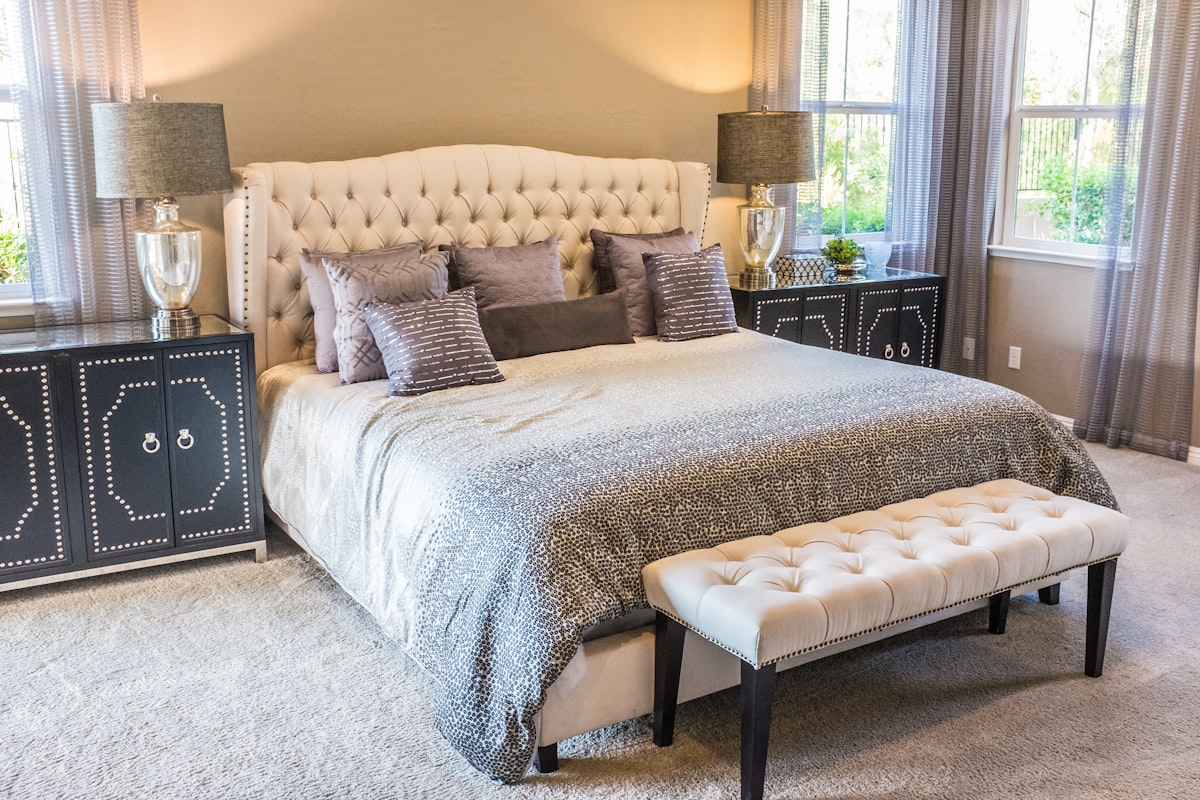
You do not need a Himalayan retreat. Dim the overhead light, charge the phone outside arm’s reach, and pick one boring close: stretching, a paper book, or tomorrow’s clothes laid out. If family television is loud, earphones for them or a fan for you is more realistic than a fight every night. 20-minute delayed-sleep worry can be parked with a written list—not with more scrolling.
If you cannot sleep after about 20 minutes, leave the bed for a dim, quiet activity and return when sleepy. Teaching the brain that bed equals panic makes insomnia worse.


Shift Work, Exams and Festival Weeks
If you rotate shifts, maximise darkness for the main sleep bout and use strategic caffeine early in the shift, not at the end. For exams, a consistent six-and-a-half hours beats a 3 a.m. cram that destroys the next paper. Festival weeks: pick the nights that will be short, then return to the anchor wake time rather than “catching up” until noon and wrecking Monday.
When Wearables Help and When They Harm
A sleep score can motivate a bedtime. It can also create orthosomnia—anxiety about the number. If the ring makes you worse, stop wearing it at night for two weeks and judge rest by daytime function.
Partners, Children and the 11 p.m. Laptop
If a partner’s device lights the room, agree a lights-out and a charging station. With infants, sleep in shifts rather than both running on four hours and a 5 a.m. workout. The 11 p.m. “just one email” is the most expensive set of the week because it taxes the next three sessions.
On World Sleep Day, try one experiment only: same wake time for seven days, or caffeine cutoff at noon. One change beats a twelve-step night routine you will abandon.
Late Dinners, AC and Indian Work Hours
A 10:30 p.m. heavy dinner plus a 6 a.m. alarm is a common urban pattern. Shift the largest meal earlier when you can; if family dinner is late, keep the plate smaller and skip the second dessert. Bedroom temperature matters: a hot closed room with a phone in your face is a recipe for 1 a.m. waking. Use the AC or a fan to get the room cool enough to stay asleep, not as all-night Arctic punishment that dries your airway.
If your job truly requires late calls with another time zone, protect a consistent sleep window on the other side of the call rather than “making up” with weekend 11 a.m. wake-ups that destroy Monday. Treat sleep like you would treat a booked training session: it has a start time.
FAQ
When is World Sleep Day 2027?
Friday, 19 March 2027.
Is 5 hours enough if I “feel fine”?
Many people underestimate impairment. Reaction time and appetite hormones still suffer. Do not use “I feel fine” as the only test if you are training hard or driving.
Should I nap?
A 10–20 minute early-afternoon nap can help. Long late naps can steal night sleep.
Do I need melatonin?
Not as a first step. Timing of light, caffeine and schedule matter more. If you use melatonin, do it with clinician advice—especially if you take other medicines.
Can I train twice a day on 6 hours’ sleep?
You can. You probably should not as a lifestyle. Cut volume before you cut sleep.
What about snoring?
Loud snoring plus sleepiness deserves a medical work-up for sleep apnoea, which is common and treatable.
Trusted Sources
How FitLifestyle Helps
FitLifestyle can place hard sessions earlier, remind you of a caffeine cutoff and treat a logged short night as a reason to drop intensity—not as a moral failure to “push through.”